
Elite athletes constantly push the limits of human performance. Training programs are carefully designed, recovery is closely monitored, and biomechanics are analysed in meticulous detail. However, one critical structure is often overlooked: the temporomandibular joint (TMJ).
It is common to clench the jaw in high-performance sport. Athletes brace before lifts, stabilise during contact, and subconsciously tighten their bite in stressful moments. While this may enhance perceived strength or control, repetitive loading of the masticatory system can lead to temporomandibular joint disorder (TMD) over time.
Jaw clenching isn’t limited to elite sports – it’s common whenever people push their bodies hard. Whether bracing for heavy lifts, stabilising during contact, or tensing in high-pressure moments, the jaw often tightens subconsciously. While this can feel like added strength or control, repetitive strain on the masticatory system can eventually lead to temporomandibular joint disorder (TMD). A 2025 cross-sectional study of 337 elite German athletes found that 10% reported TMD symptoms, with female athletes showing higher prevalence than males.[i]
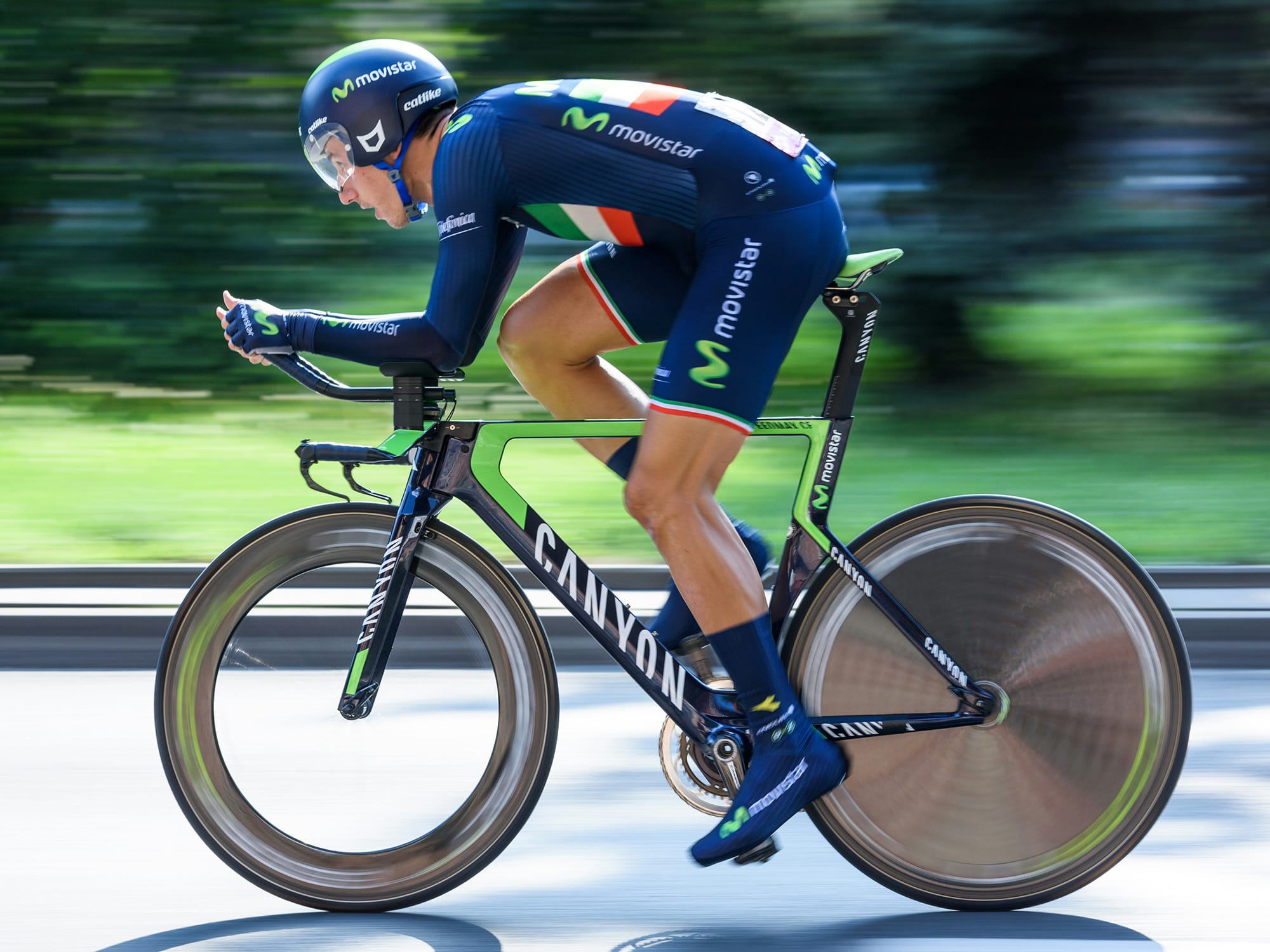 Elite sport creates a unique biomechanical and physiological environment. Maximal strength efforts involve full-body muscular co-contraction, including jaw elevators. Contact sports, in particular, expose athletes to high-velocity impacts and repetitive microtrauma, increasing TMJ stress. Even non-contact athletes may develop habitual bracing patterns that overload the jaw.
Psychological stress further amplifies the risk. Competitive pressure raises baseline muscle tone, reinforcing habits like clenching and grinding. Sleep disruption, frequent travel, and cumulative fatigue reduce recovery capacity. Over time, temporary coping mechanisms can become persistent patterns, elevating TMD risk.
TMD symptoms in elite athletes often develop gradually. Because athletes are accustomed to pushing through discomfort, jaw-related issues may go unreported. Common signs include:
Even mild symptoms can compromise training quality and performance. Targeted questioning during dental or physiotherapy visits helps identify these issues early, uncovering patterns that might otherwise remain hidden.
The TMJ is part of an integrated system. Jaw dysfunction can affect posture, breathing, and neuromuscular coordination. Forward head posture increases strain on both the neck and TMJ, while chronic chewing tension can contribute to headaches and reduce neck mobility. Compensatory patterns may extend to the shoulders and spine, impacting upper limb mechanics and overall performance.
Effective TMD management requires a multidisciplinary, pragmatic approach:
Structured home rehabilitation, such as the OraStretch® Press Rehab System from Total TMJ, allows controlled stretching of orofacial tissues to improve TMJ range of motion outside clinical sessions, maintaining training schedules while supporting recovery.
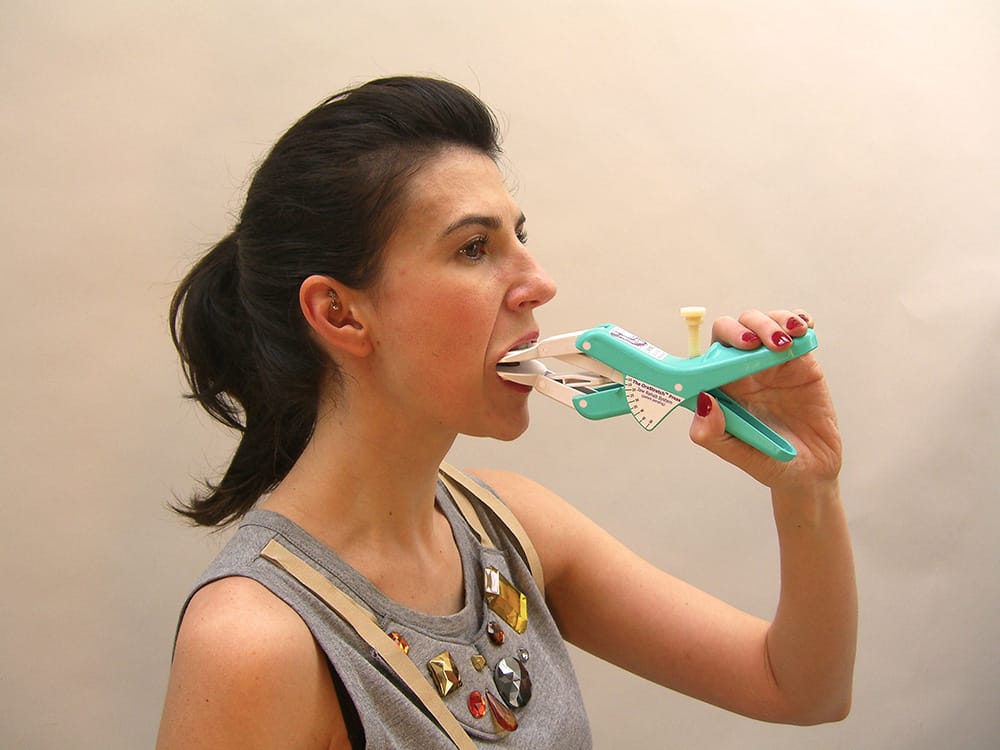 In sport, small inefficiencies accumulate. Recognising clenching behaviours, screening proactively, and implementing early, evidence-based interventions safeguard the TMD, optimise rehabilitation, and preserve the athlete’s performance capacity. The TMJ may be small, but its role in high-level athletic function is crucial.
[i] Merle, C.L., Rott, T.A., Rauch, A., Wolfarth, B., Wüstenfeld, J., Hellmann, D., Haak, R., Schmalz, G. and Ziebolz, D. (2025). Temporomandibular disorders and the use of oral splints among elite sport athletes: a questionnaire-based cross-sectional study in Germany. Clinical Oral Investigations, 29(7). doi:https://doi.org/10.1007/s00784-025-06434-x.